
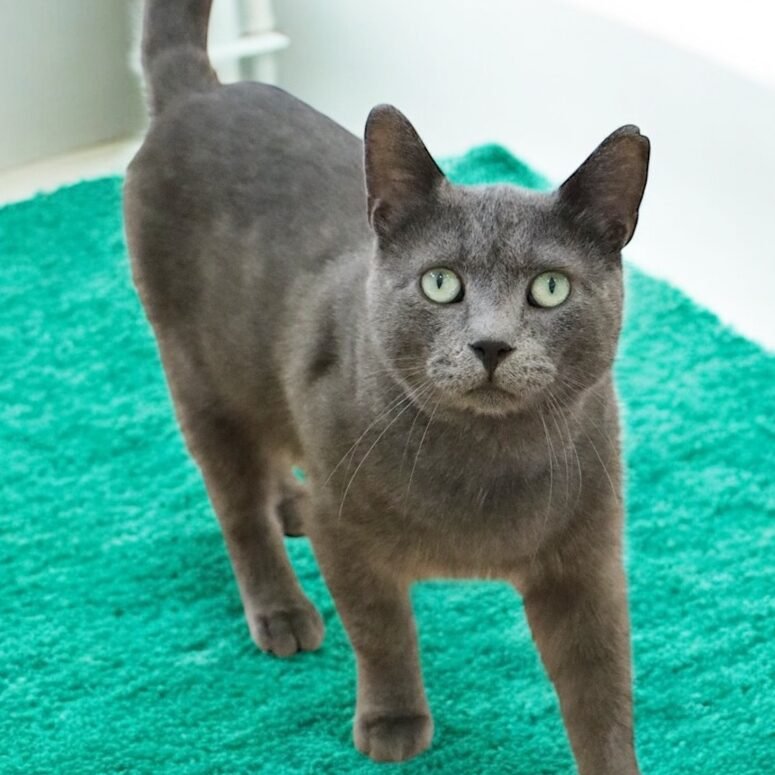
- Stand where your cat would have exited your home. Look around the immediate surroundings and identify places they would think to hide (under bushes, sheds, cars, etc.). Check all of these areas.
- Get flyers made with a photo of your cat and your contact information. Go door-to-door to hand them out, put them in mailboxes, post them on poles, etc.
- Ask your neighbours to check their backyards, especially in spots that a cat would think to hide. Provide them with your contact information.
- Post your cat’s photo and the area where they went missing on social media, like Facebook. KW Ground Search & Rescue Feline Division and Kitchener Area Lost & Found Pets are two popular options.
- If your cat has always been indoors, they will likely stay hidden during daytime hours – everything is new and scary to them. You have to be outside calling their name immediately. Take a flashlight after the sun goes down, call their name, and shake a dish of kibble. Being consistent is vital. Be out looking outside as much as possible.
- If you see your cat, stay calm. They will be nervous. Do not run to them. Get low to the ground and call them, while slowly moving toward them. Make sure you have something to secure them with like a cat carrier, pillowcase, towel, etc. You do not want them escaping again.
- Most cats are within a 3-5 house radius when they escape. The sooner you act and start looking, the better chances of finding them within the first 24 hours.
- If you can, leave a door, window, and/or garage door open. Your cat may come running back and look for an opening. Be sure to put any other pets in the home in a space where they cannot access the opening.
- Borrow a live trap and set it up near the area the cat escaped, but not out in the open. Place it against a wall, on a porch, in a garage, etc. Cover the bottom of the inside of the trap entirely with paper or cardboard – you don’t want your cat to see the wires or plates.
- Make the trap enticing by putting a dish of smelly food in the very back of the trap, changing the food out frequently to keep it fresh and smelly. Cover the back of the trap where the food is with a blanket your cat is familiar with. Place a dish of water right outside the trap.
- Monitor the trap constantly. If your cat goes in, cover the trap immediately to keep kitty calm. Bring the trap inside the house and secure exits to ensure your cat doesn’t escape again. Do not open the trap while still outside.
- Set up outdoor cameras and check frequently for your cat.
- Do not put out any litter, as this will attract unwanted wildlife.
- Do not give up hope! If you follow these steps and stay consistent by looking everyday, your chances are very good at getting your cat back.